
Case Study: How We Transformed a Local Business Space in King County
Introduction
Transforming a local business space is more than just a renovation; it's about reimagining the potential of a community hub. In King County, we had the opportunity to work with a small business to revitalize their space, ultimately boosting their customer engagement and profitability.

Understanding the Needs
Our journey began with understanding the specific needs of the business owner and their vision for the space. By conducting in-depth consultations, we identified key areas that required attention, including layout optimization, interior design, and branding consistency.
We focused on creating a space that was not only aesthetically pleasing but also highly functional. The goal was to enhance the customer experience, making it welcoming and intuitive.
Design and Planning
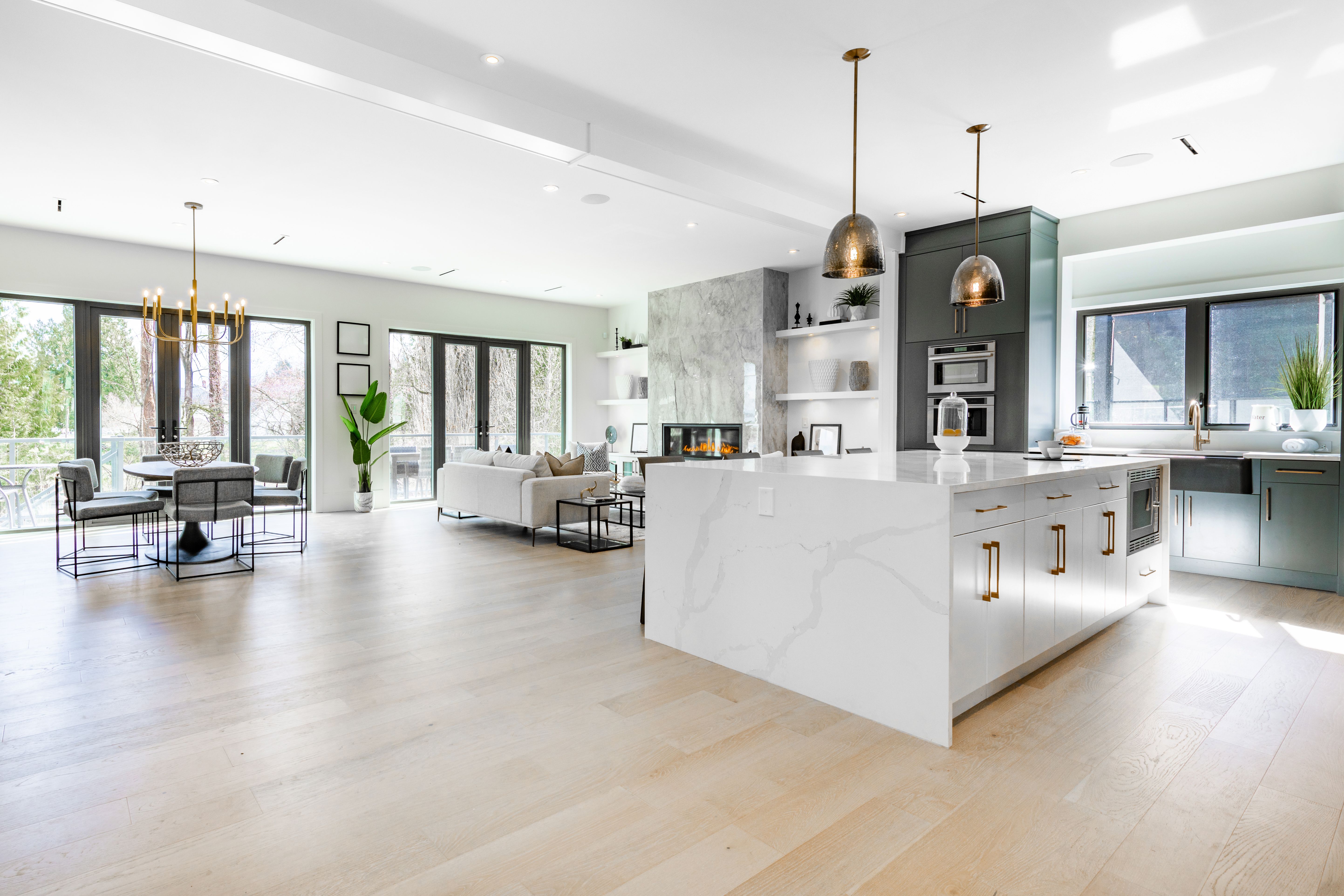
With a clear understanding of the business's needs, our team embarked on the design and planning phase. This involved developing a comprehensive blueprint that detailed every aspect of the transformation, from color schemes to furniture placement.
We prioritized sustainable materials and energy-efficient solutions to align with the community's values and the business's commitment to eco-friendly practices.
Execution
The execution phase was where the vision truly began to take shape. Our team worked diligently to ensure minimal disruption to the business's operations. We coordinated closely with contractors and suppliers to maintain timelines and quality standards.
Throughout the process, we kept the business owner informed, making adjustments as needed to ensure their satisfaction and alignment with the project goals.
Results and Impact
The transformation was nothing short of remarkable. The revitalized space attracted more foot traffic, leading to a significant increase in sales. Customers appreciated the improved layout and ambience, often commenting on the enhanced shopping experience.
The business owner reported a 30% increase in revenue within the first quarter post-transformation, demonstrating the tangible benefits of the renovation.
Community Engagement
Beyond financial gains, the transformation fostered a stronger connection with the local community. The business became a preferred gathering spot, hosting events and workshops that further amplified its role in the community.
This case study exemplifies how thoughtful design and strategic planning can transform a local business, turning it into a community cornerstone.
Conclusion
Transforming a business space requires more than just a keen eye for design; it demands a comprehensive approach that considers functionality, community values, and sustainability. Our work in King County underscores the profound impact such transformations can have, not only on the business itself but also on the community it serves.