
Case Study: Transforming a Historic Building into a Modern Commercial Space in WA
Introduction
Transforming a historic building into a modern commercial space is a challenging yet rewarding endeavor. In Washington, this process involves navigating regulatory requirements, preserving historical elements, and integrating contemporary design. In this case study, we explore the successful transformation of a historic building into a vibrant commercial hub.
Historical Significance
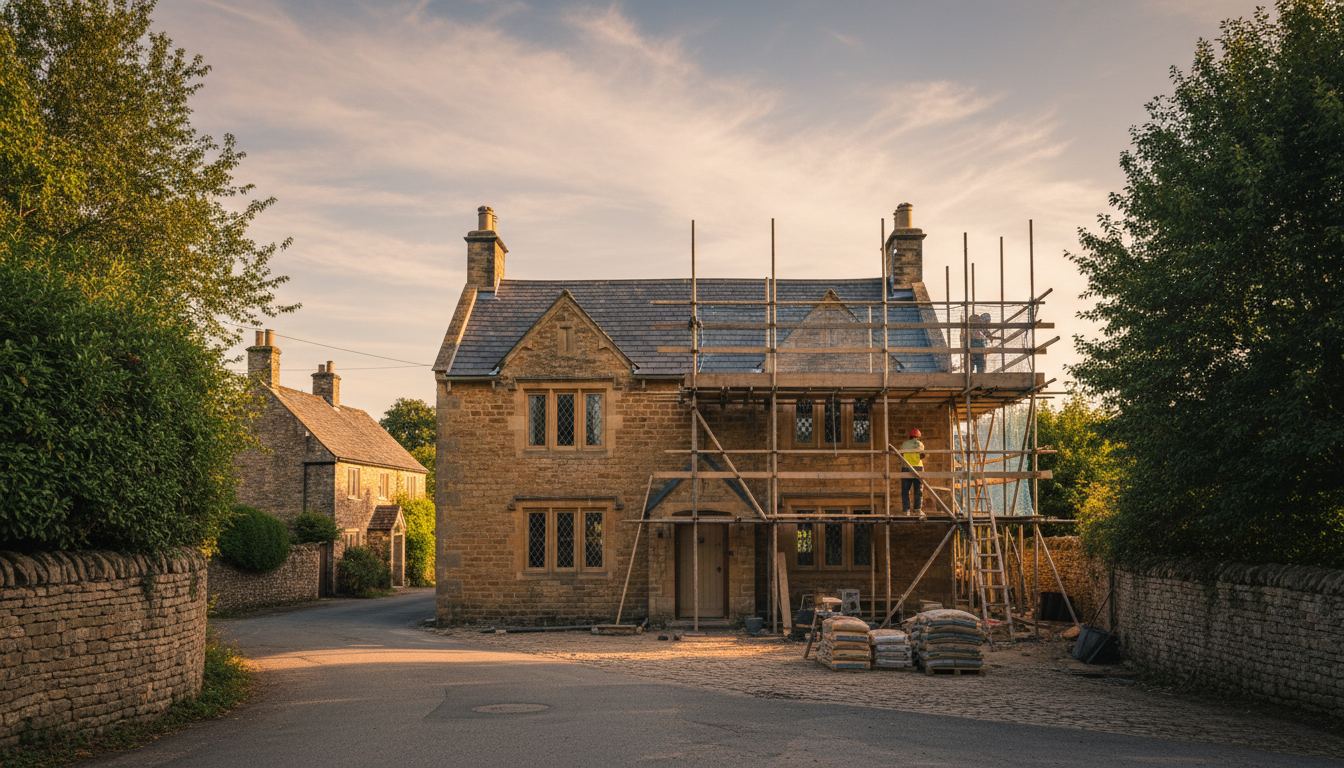
The building in question dates back to the early 1900s, playing a significant role in the local community's development. Its architectural beauty and historical importance made it a prime candidate for preservation and transformation. Preserving its unique features while adapting it for modern use became the primary focus.
Planning and Approval Process
The transformation began with a detailed planning phase, involving architects, historians, and local authorities. Obtaining necessary permits required a thorough understanding of local conservation laws. Collaboration with the community was essential, ensuring the project met both modern needs and historical preservation standards.

Design and Preservation
The design team faced the challenge of integrating modern amenities without compromising the building's historical integrity. Key historical elements, such as ornate woodwork and vintage facades, were carefully preserved. Modern features, like energy-efficient systems, were incorporated to enhance functionality.
Construction and Challenges
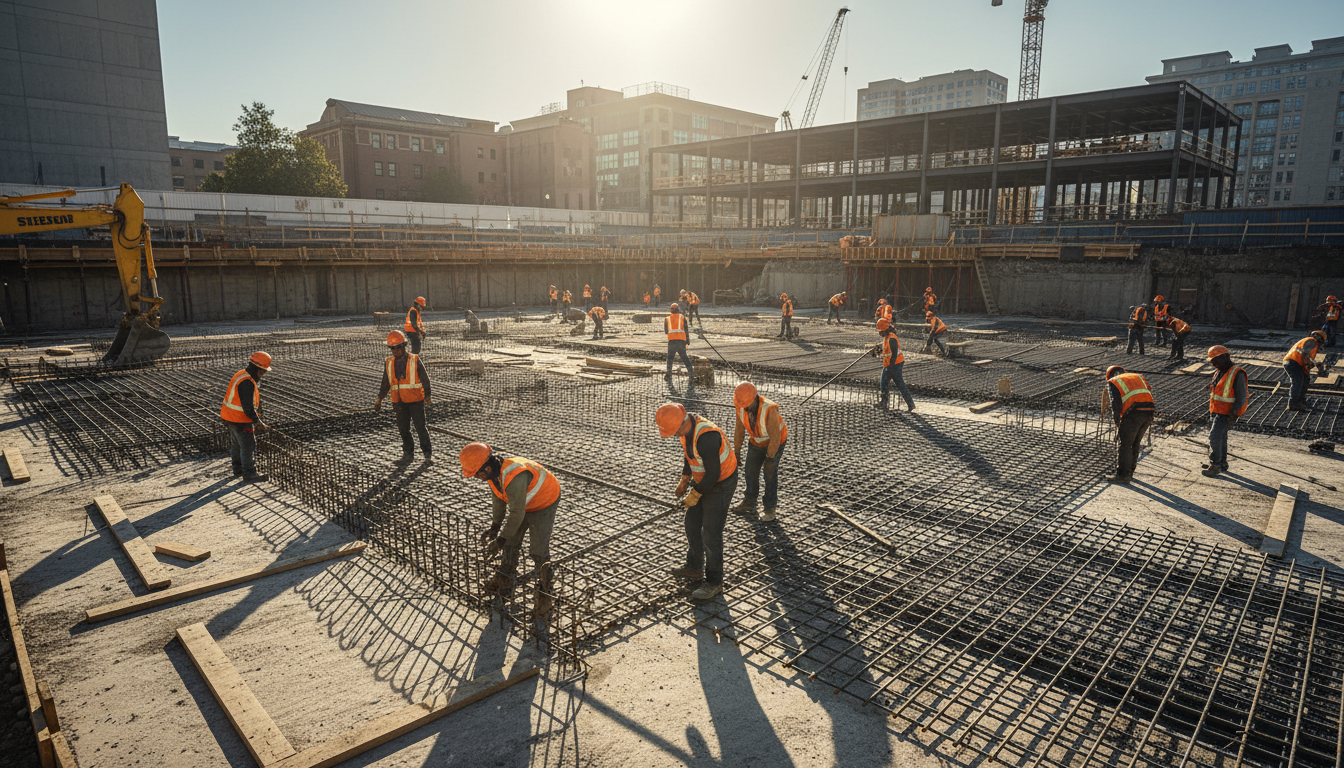
During construction, unexpected challenges arose, including structural concerns typical of older buildings. These were addressed through innovative engineering solutions. The construction team worked meticulously to ensure that modern adaptations complemented the building's historic character.
Modern Commercial Space
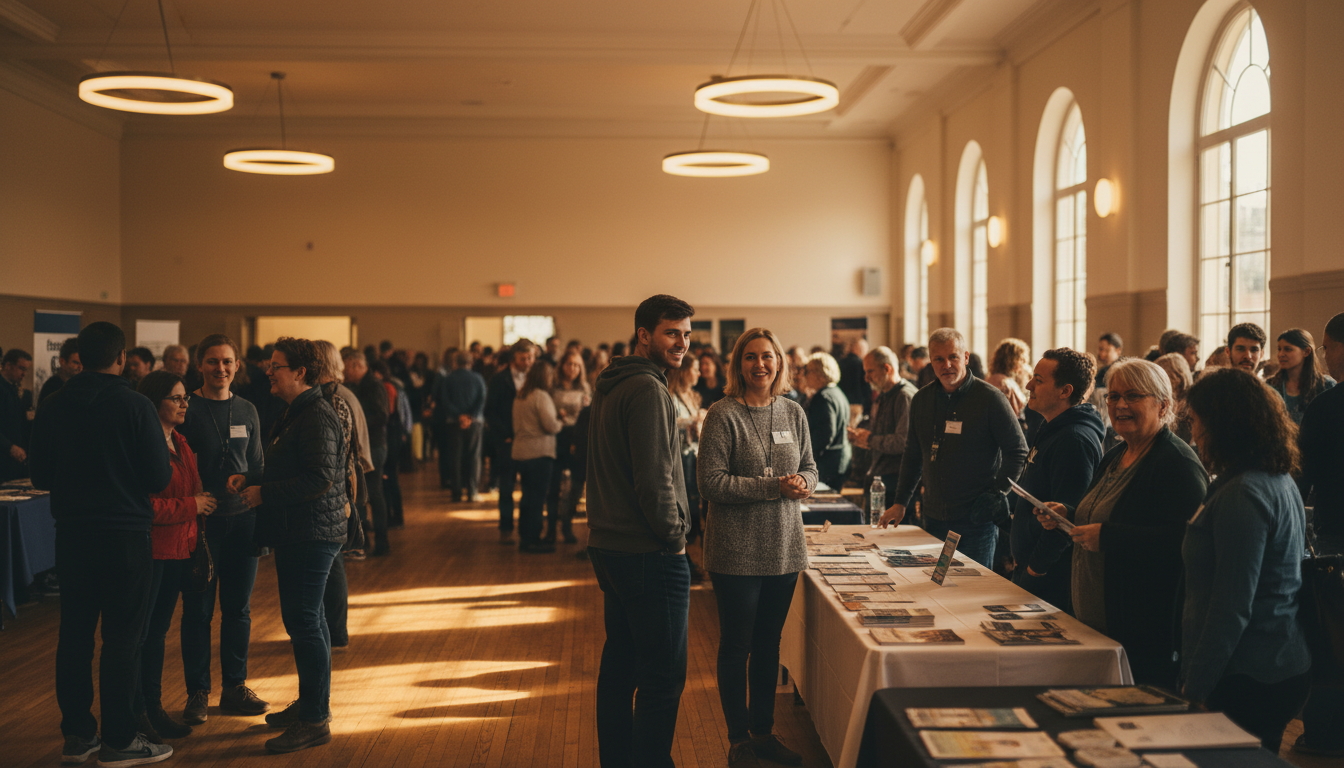
The completed transformation resulted in a dynamic commercial space that houses various businesses. Its modern amenities attract tenants, while its historical charm draws visitors interested in the building's rich past. The space now serves as a hub for community events, blending the old with the new.
Community Impact
The project had a positive impact on the local community, revitalizing the area and boosting the economy. It preserved a piece of history while providing a new space for businesses to thrive. The building's transformation stands as a testament to the value of preserving historical landmarks.
Conclusion
This case study highlights the intricate process of transforming a historic building into a modern commercial space. By balancing preservation with innovation, the project successfully brought new life to a cherished landmark. It serves as an inspiring example for similar projects across the nation.