
Eco-Friendly Construction: Green Building Practices in Washington State
Understanding Eco-Friendly Construction
Eco-friendly construction has become a pivotal focus in the building industry, particularly in Washington State. As environmental concerns grow, the push for sustainable practices is more crucial than ever. This trend is not just a choice but a necessity, as it significantly reduces the carbon footprint and conserves natural resources.
In Washington, green building practices are not only encouraged but often required by legislation. These practices include using sustainable materials, improving energy efficiency, and reducing waste. By adopting these methods, builders can create healthier living environments and contribute to the global effort of combating climate change.
Sustainable Materials in Construction
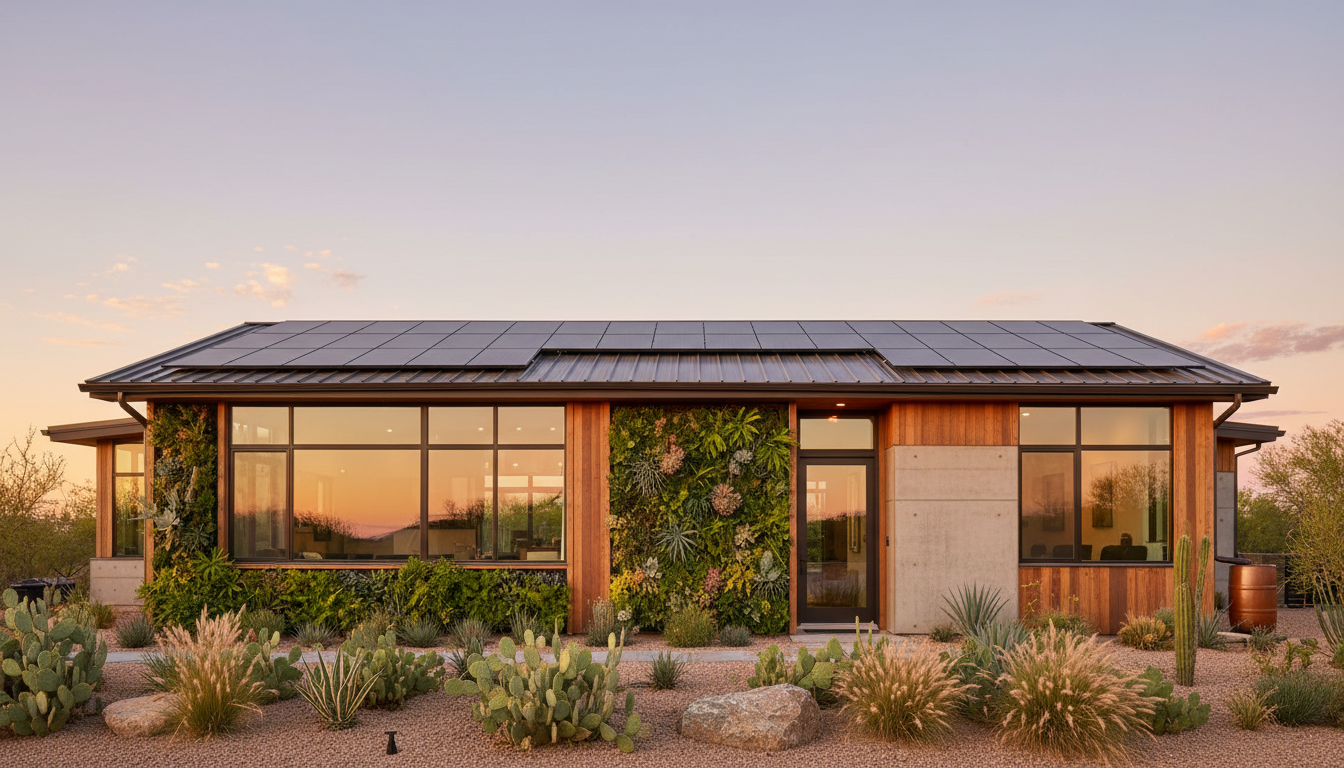
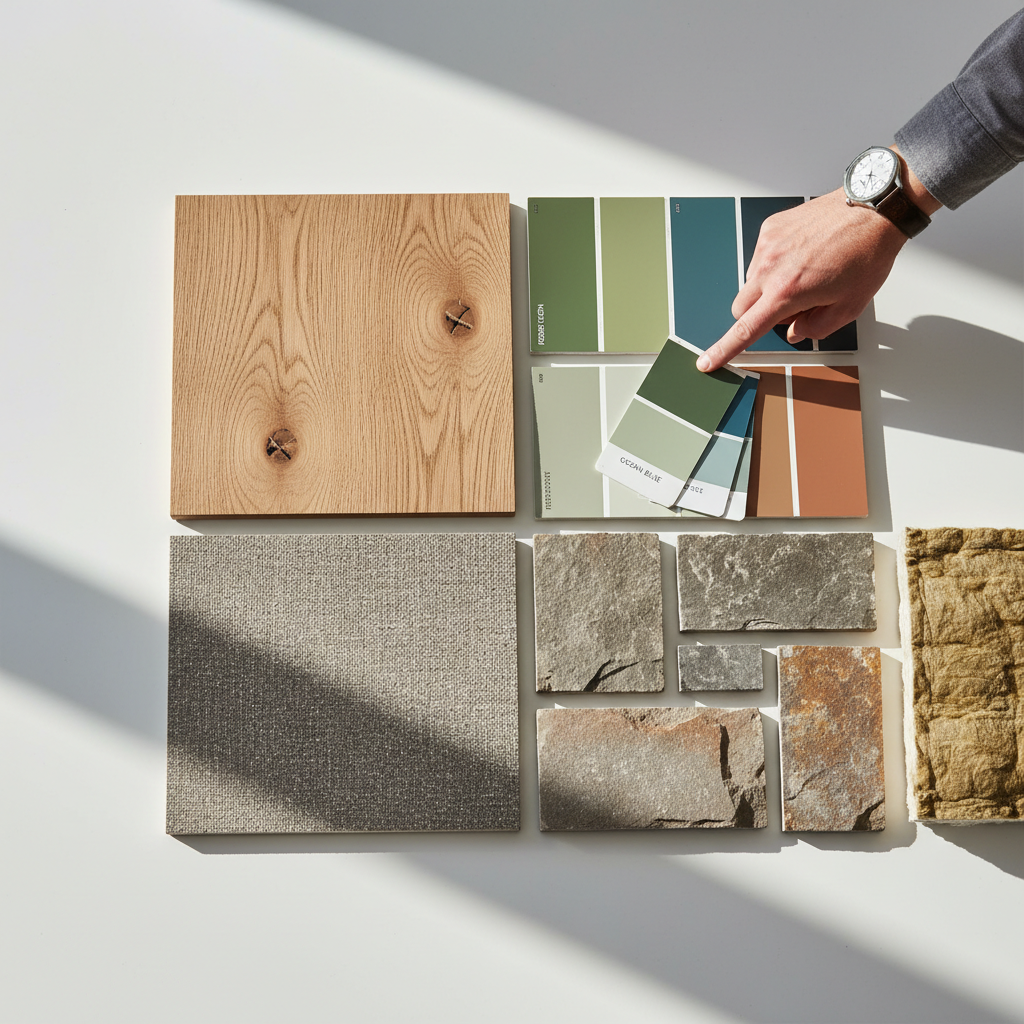
One of the core principles of eco-friendly construction is the use of sustainable materials. In Washington, builders are increasingly turning to materials like recycled steel, bamboo, and reclaimed wood. These materials not only reduce the demand for new resources but also minimize waste and pollution. Additionally, they often offer better durability and lower maintenance costs.
The use of locally sourced materials is another growing trend. By sourcing materials locally, builders can reduce transportation emissions and support the local economy. This practice aligns well with Washington State's commitment to sustainability and community development.
Energy Efficiency and Green Building
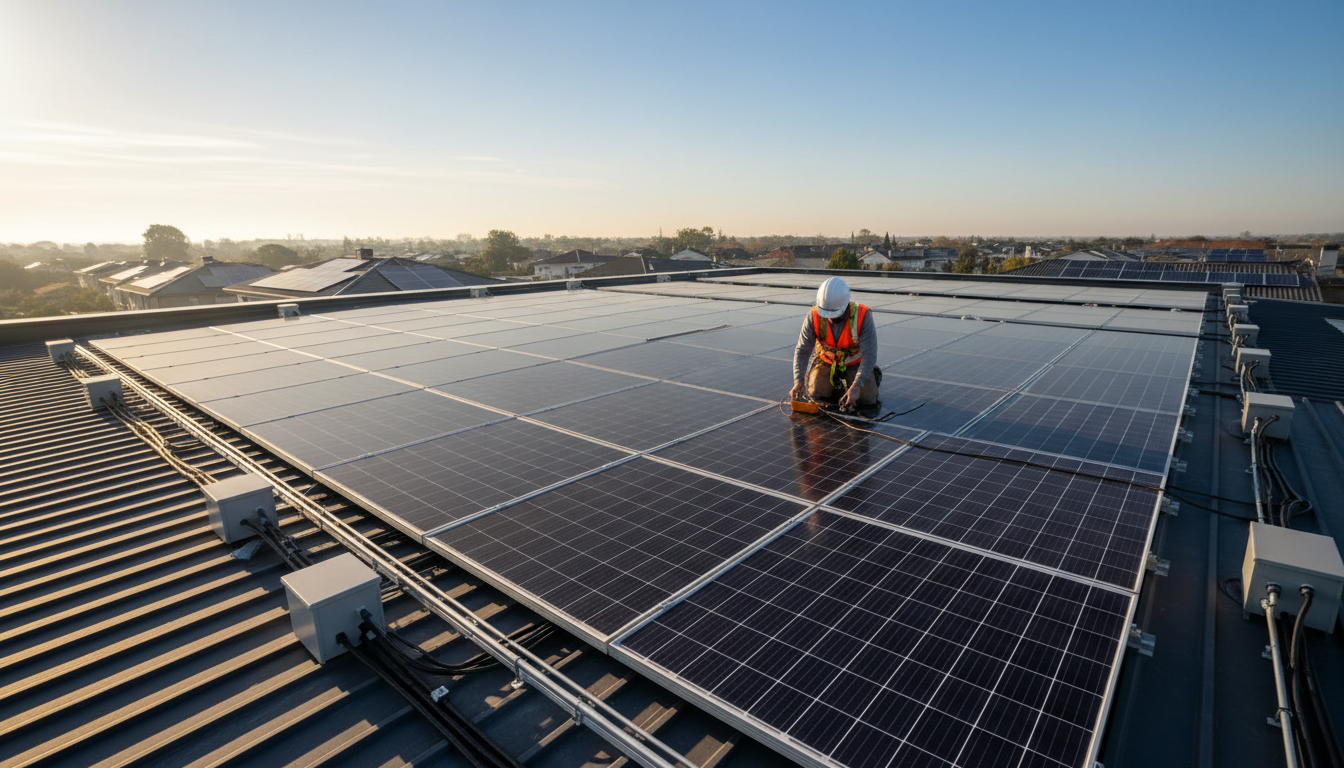
Energy efficiency is a cornerstone of green building practices. In Washington, many new constructions are designed with energy-saving features such as solar panels, energy-efficient windows, and advanced insulation systems. These features help reduce energy consumption and lower utility bills for homeowners.
According to recent studies, buildings that integrate energy-efficient practices can reduce energy use by up to 50%. This not only benefits the environment but also provides significant cost savings over time. Implementing smart home technologies further enhances energy management, making homes more responsive to their occupants' needs.
Water Conservation Techniques
Water conservation is another essential aspect of eco-friendly construction. In Washington, where water resources can be limited, builders are increasingly adopting water-saving technologies. These include low-flow faucets, rainwater harvesting systems, and drought-resistant landscaping.
By implementing these techniques, new constructions can significantly reduce water usage. This is not only beneficial for the environment but also helps homeowners save on water bills. Water efficiency is a critical consideration in sustainable building design, ensuring that homes are resilient to future water scarcity issues.
The Future of Green Building in Washington
As awareness and demand for eco-friendly construction continue to grow, Washington State is poised to be a leader in sustainable building practices. The state’s commitment to reducing carbon emissions and promoting renewable energy sources sets a strong foundation for the future of green construction.
Looking ahead, innovations in technology and materials will likely drive further advancements in eco-friendly building. As regulations and consumer preferences evolve, builders in Washington are expected to continue adapting and innovating, ensuring that their projects not only meet but exceed environmental standards.