
How to Implement Green Building Practices in Your Next Project
As sustainability becomes an increasingly important consideration in the construction industry, implementing green building practices is not just a trend—it's a necessity. Adopting environmentally friendly techniques can significantly reduce your project's carbon footprint, enhance energy efficiency, and promote healthier living and working environments.
Understanding Green Building Principles
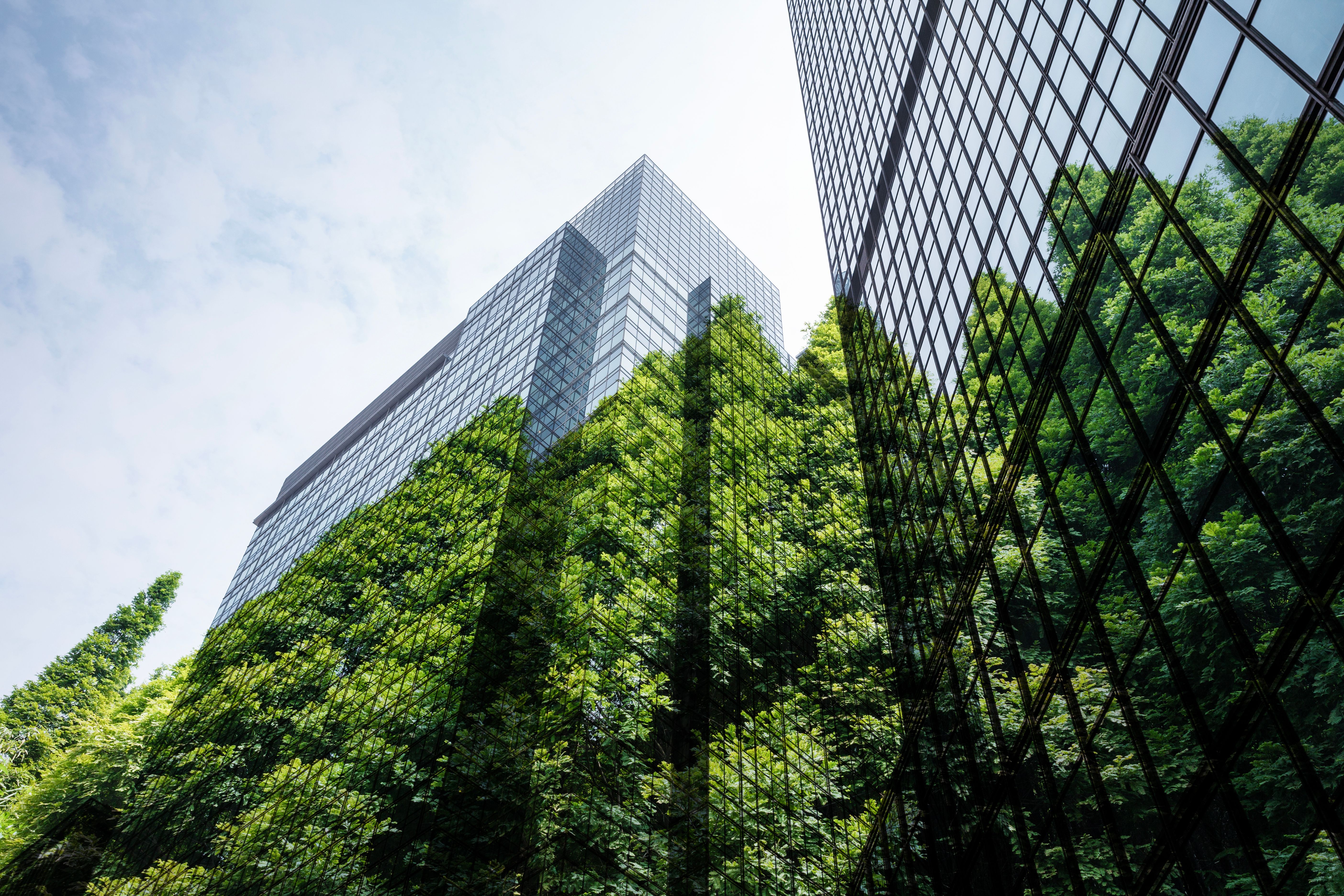
Green building practices focus on minimizing environmental impact and maximizing resource efficiency throughout a building's life cycle. This includes design, construction, operation, and maintenance. Key principles involve using renewable resources, reducing waste, and optimizing energy and water use.
Additionally, green buildings often incorporate sustainable materials and innovative technologies designed to improve indoor air quality and overall well-being. Understanding these principles is crucial for successfully implementing them into your project.
Choosing Sustainable Materials
One of the first steps in green building is selecting sustainable materials. Opt for products that are recycled, reclaimed, or certified by reputable environmental organizations. Materials such as bamboo, recycled steel, and reclaimed wood are excellent choices for reducing environmental impact.
When choosing materials, consider their life cycle impact, including manufacturing processes, transportation emissions, and disposal methods. Aim for materials with low embodied energy and those sourced locally to further reduce your project's carbon footprint.
Energy Efficiency in Design
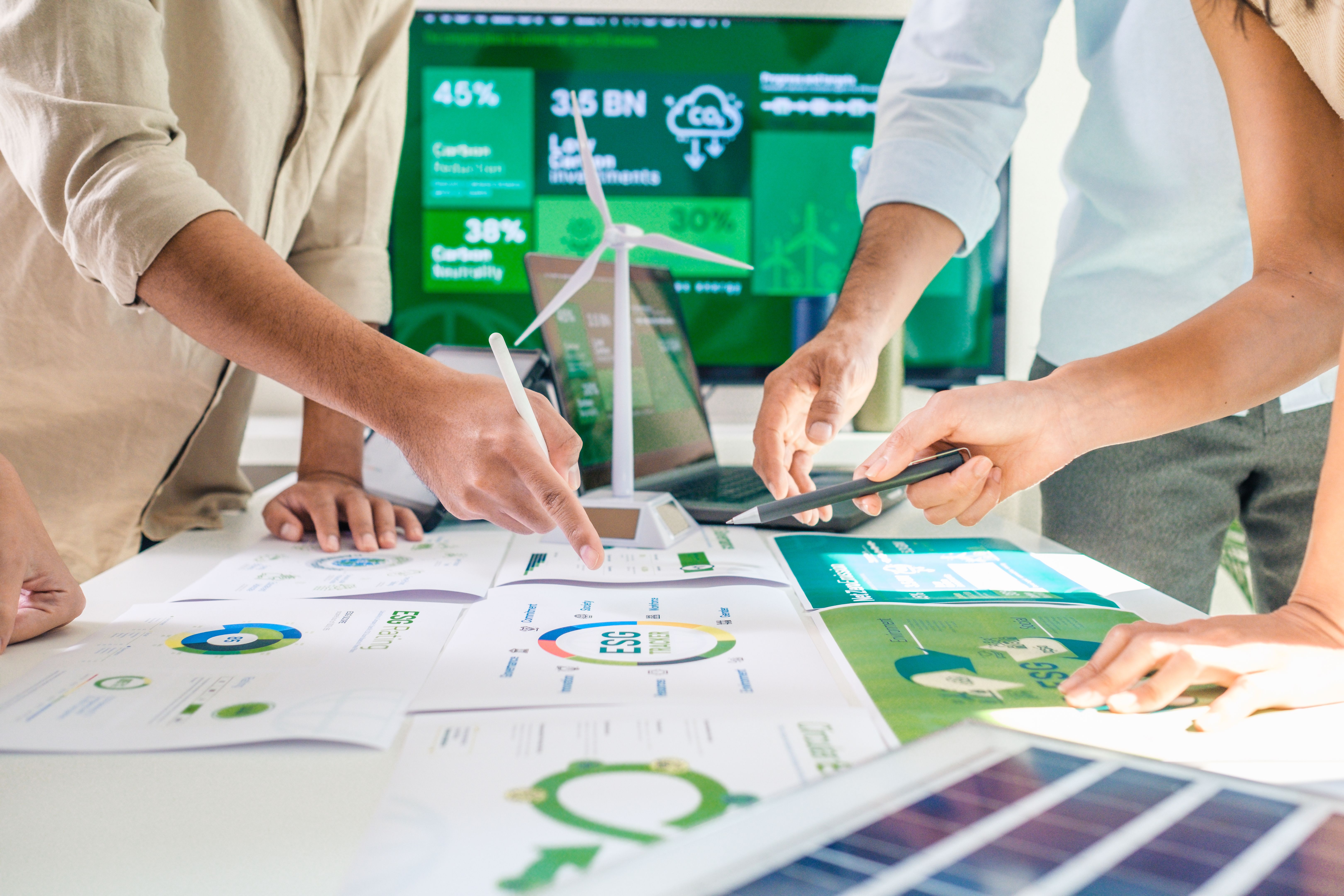
Integrating energy-efficient designs can drastically cut down the energy consumption of a building. Start by implementing passive solar design principles, which leverage natural sunlight for heating and lighting. This can be achieved through strategic placement of windows and skylights.
In addition to passive solar design, invest in energy-efficient appliances and systems. High-performance HVAC systems, LED lighting, and smart thermostats can significantly reduce energy use and costs over time.
Water Conservation Techniques
Water conservation is another critical aspect of green building. Implementing rainwater harvesting systems and using low-flow fixtures can help reduce water consumption. Xeriscaping, or landscaping with drought-resistant plants, can also decrease water usage while maintaining aesthetic appeal.
Furthermore, consider incorporating greywater systems, which recycle water from sinks and showers for use in irrigation and other non-potable applications. This not only conserves water but also reduces the demand on local water supplies.
Enhancing Indoor Environmental Quality
Improving indoor environmental quality is vital for the health and comfort of building occupants. Use non-toxic materials and finishes to minimize indoor air pollution. Prioritize natural ventilation and incorporate air filtration systems to maintain clean indoor air.
Additionally, maximize natural light and views to the outdoors. This not only reduces the need for artificial lighting but also enhances the well-being and productivity of occupants by connecting them with nature.
Certifying Your Green Building
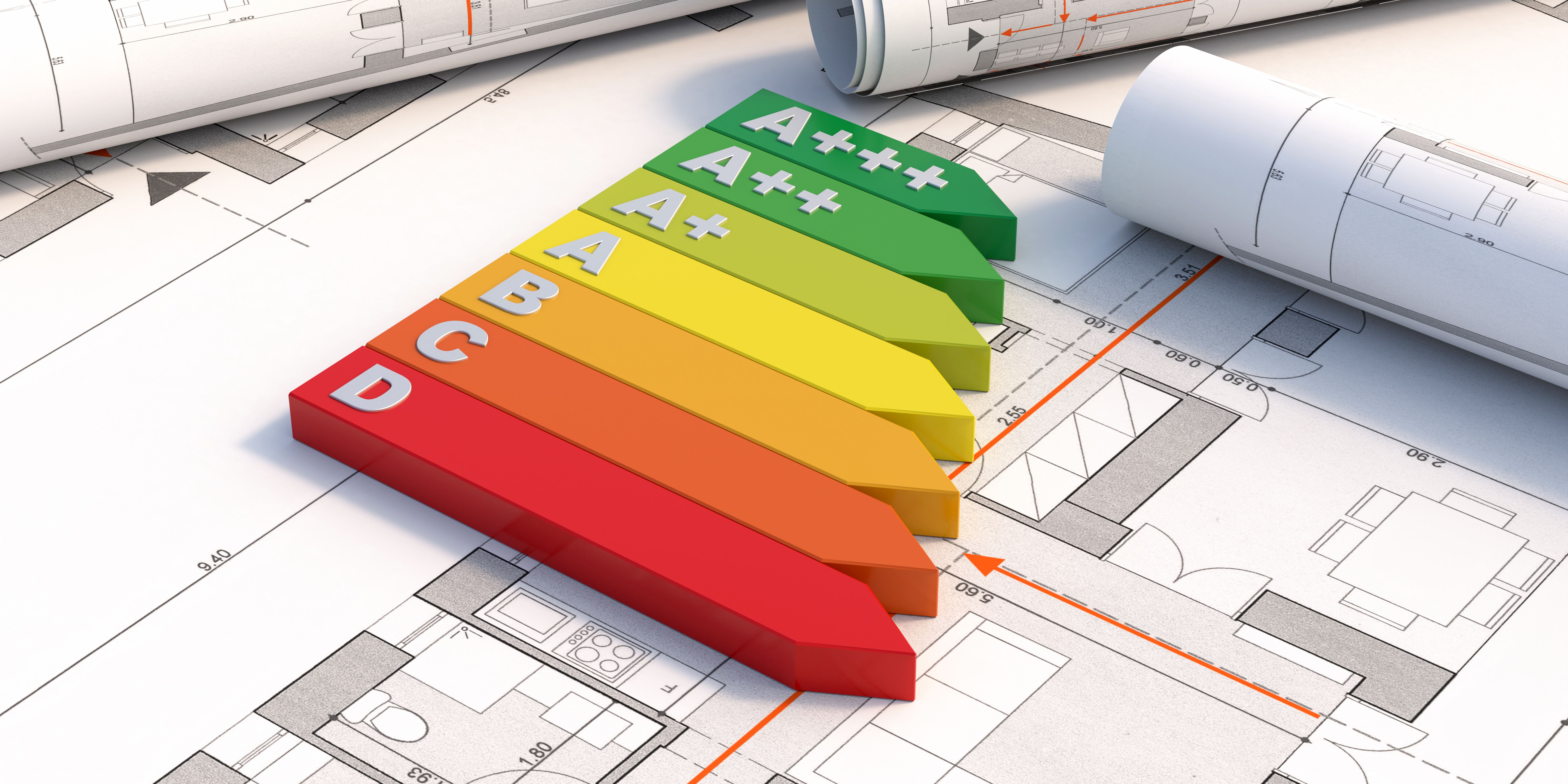
Consider pursuing certifications such as LEED (Leadership in Energy and Environmental Design) or BREEAM (Building Research Establishment Environmental Assessment Method) to validate your green building efforts. These certifications provide a framework for implementing sustainable practices and offer recognition for your commitment to the environment.
By following these guidelines and incorporating green building practices into your next project, you'll contribute to a more sustainable future while also reaping the benefits of reduced operational costs and improved occupant satisfaction.