
How to Incorporate Green Building Practices in Your Next King County Project
Understanding Green Building
Green building practices focus on reducing the environmental impact of construction projects while enhancing the health and comfort of building occupants. In King County, incorporating these practices is not only beneficial for the environment but also aligns with local regulations and community values.
Green building involves using sustainable materials, improving energy efficiency, and minimizing waste. By adopting these practices, projects can achieve certifications such as LEED or ENERGY STAR, which can add significant value to the property.
Choosing Sustainable Materials
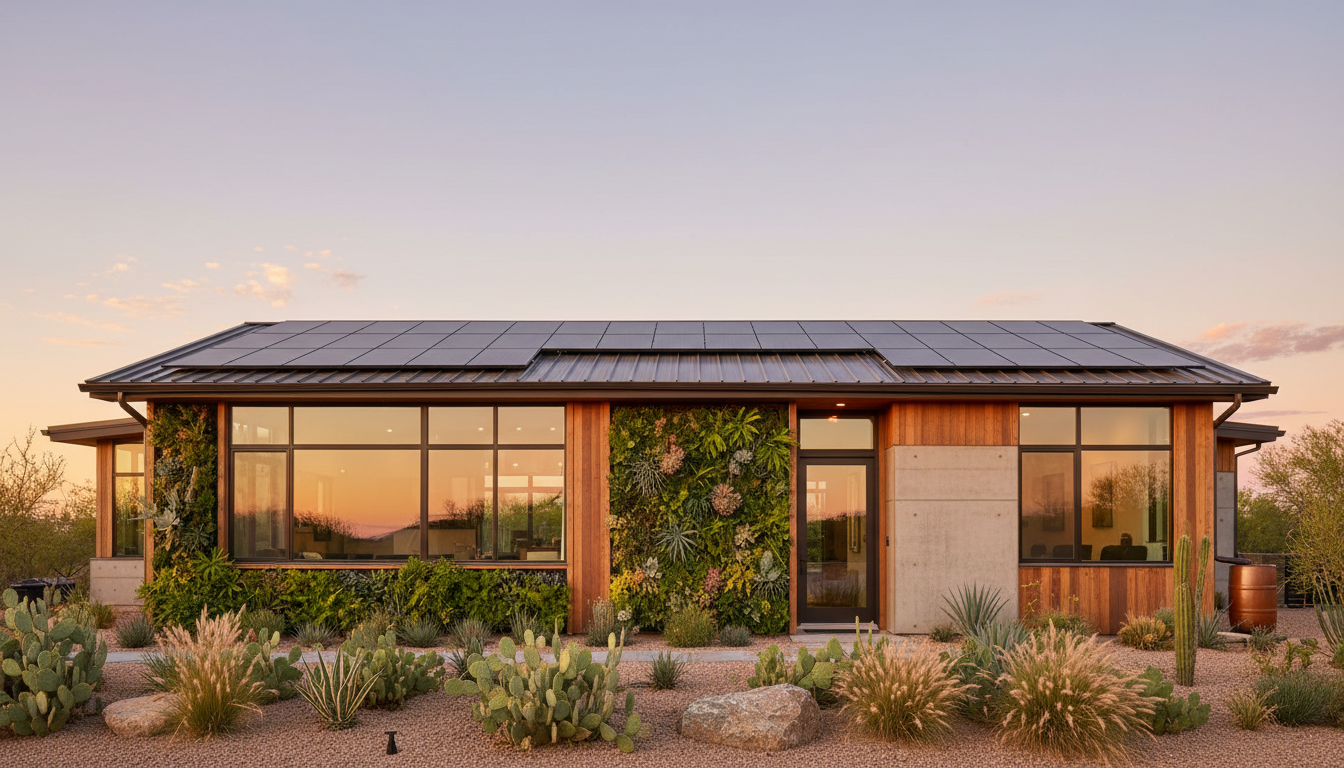
One of the first steps in green building is selecting sustainable materials. This includes using recycled or renewable materials like bamboo, reclaimed wood, or recycled metal. These materials reduce the depletion of natural resources and often require less energy to produce.
Additionally, consider materials that are sourced locally to minimize transportation emissions. Locally sourced materials support the local economy and reduce the carbon footprint associated with long-distance shipping.
Energy Efficiency
Improving energy efficiency is a cornerstone of green building. This can be achieved through the installation of energy-efficient windows, insulation, and HVAC systems. Using LED lighting and energy-efficient appliances can also make a substantial difference.
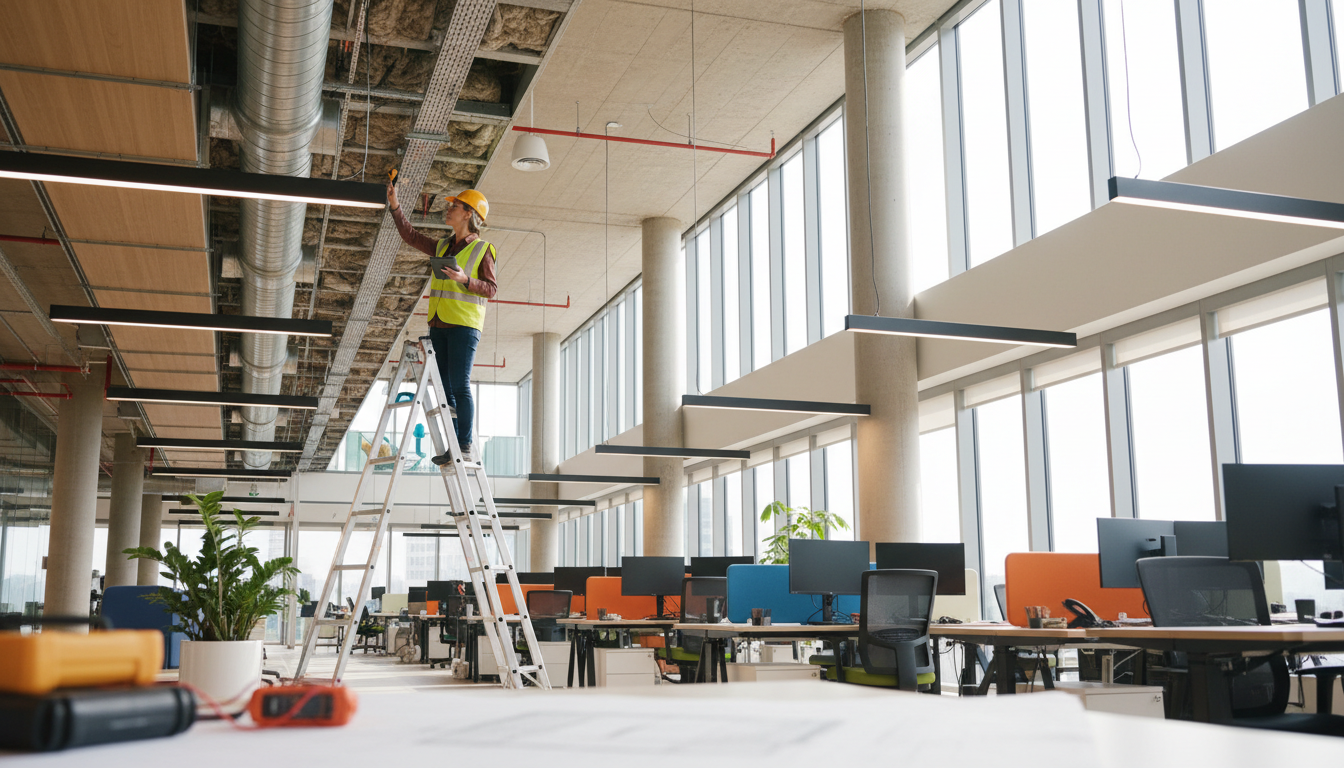
Incorporating renewable energy sources like solar panels is another effective strategy. King County offers incentives for solar energy, making it a viable option for many projects. These systems not only reduce energy costs but also lessen the environmental impact.
Water Conservation
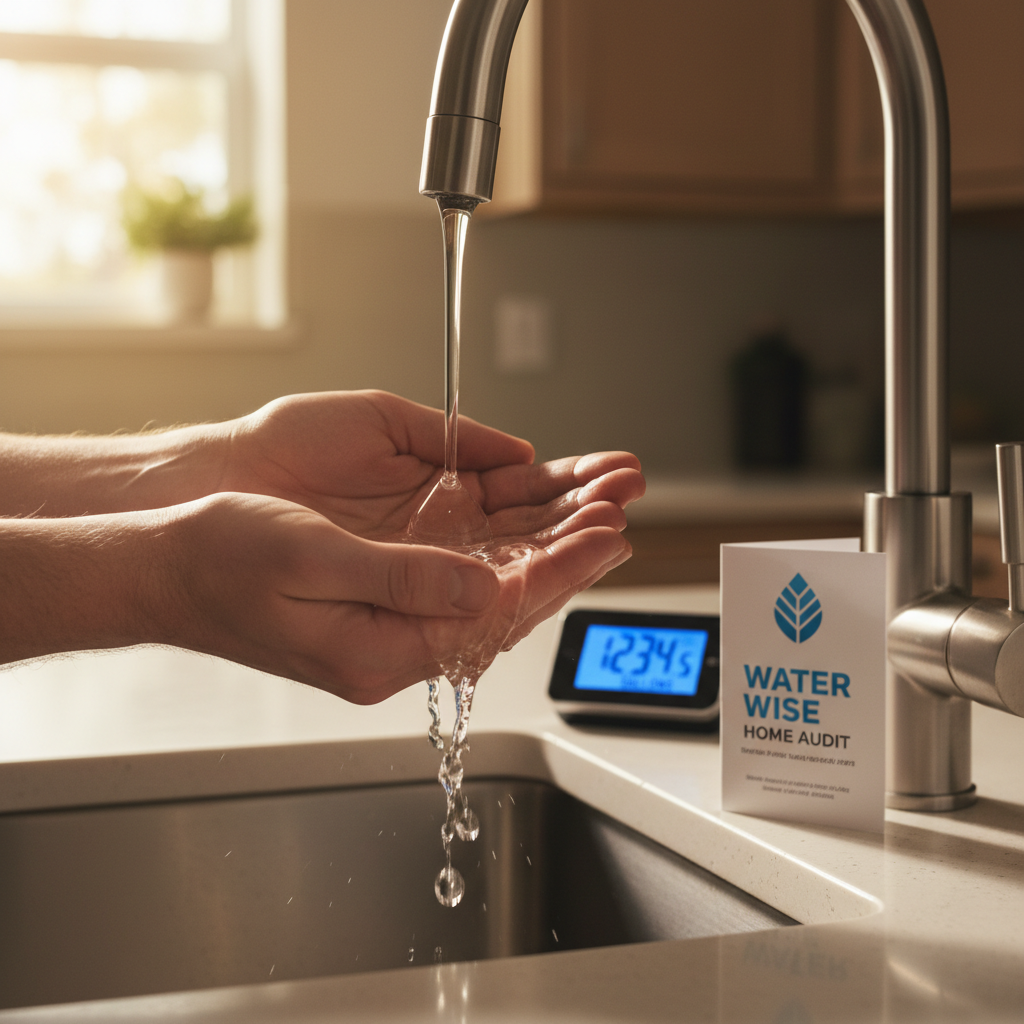
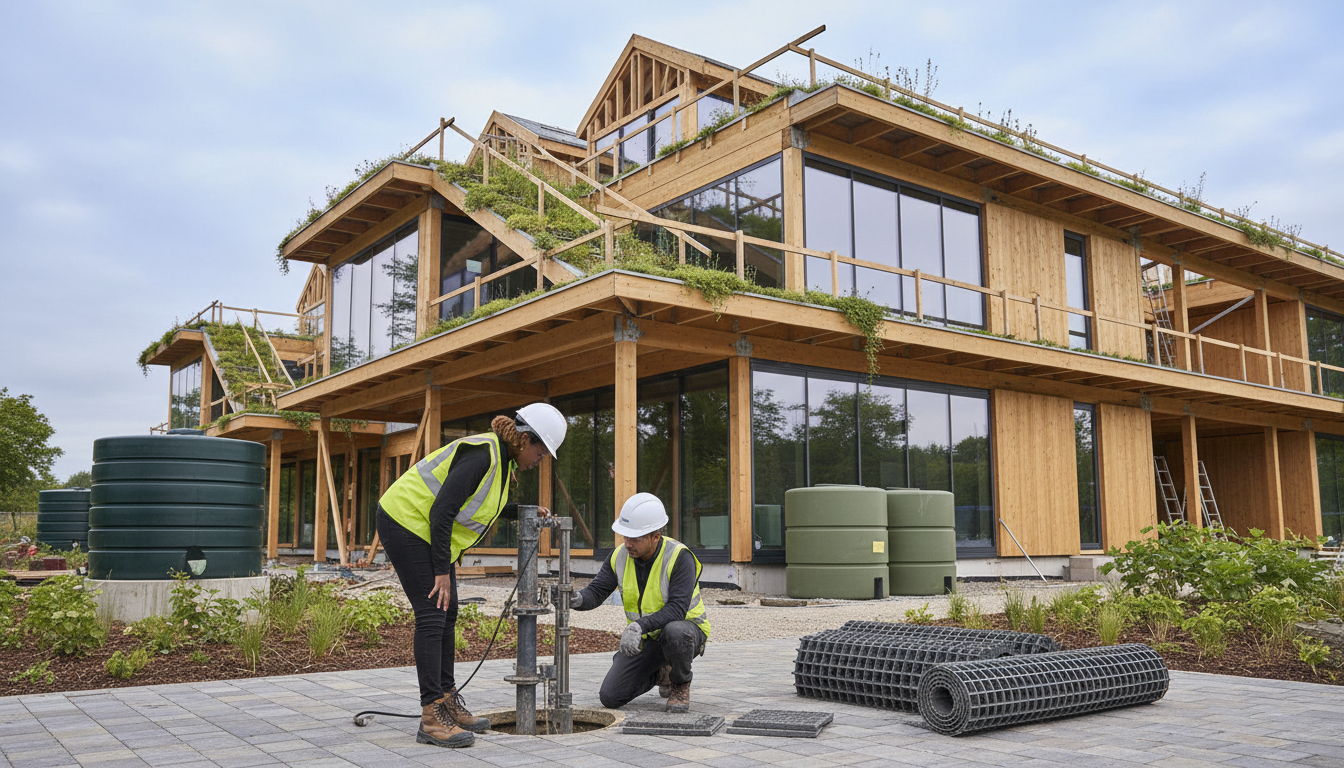
Water conservation is a critical component of green building. Implementing systems to harvest rainwater and use greywater for landscaping can significantly reduce water usage. Installing low-flow fixtures and appliances further conserves water without sacrificing performance.
By focusing on water conservation, projects can contribute to the sustainable management of King County's water resources, which is vital for maintaining the local ecosystem.
Waste Reduction
Reducing construction waste is essential for sustainable building practices. This can be achieved through careful planning and by reusing materials wherever possible. Any waste that cannot be reused should be recycled to minimize landfill contributions.
Developing a waste management plan before starting the project helps identify opportunities to reduce, reuse, and recycle materials effectively.
Working with Experts
Partnering with architects and contractors who have experience in green building can streamline the process. These professionals can provide valuable insights and ensure that the project meets all necessary environmental standards and certifications.
By incorporating green building practices into your next King County project, you contribute to a healthier environment and create a space that is efficient, sustainable, and valuable. Embracing these practices reflects a commitment to a sustainable future and can lead to long-term savings and benefits for both the environment and the community.