
Navigating King County Building Regulations: A Guide for Homeowners
If you're planning to build or renovate a home in King County, understanding the local building regulations is essential. These regulations ensure safety, environmental protection, and community welfare. Navigating them can seem daunting, but with the right guidance, you can proceed with confidence.
Understanding Building Permits
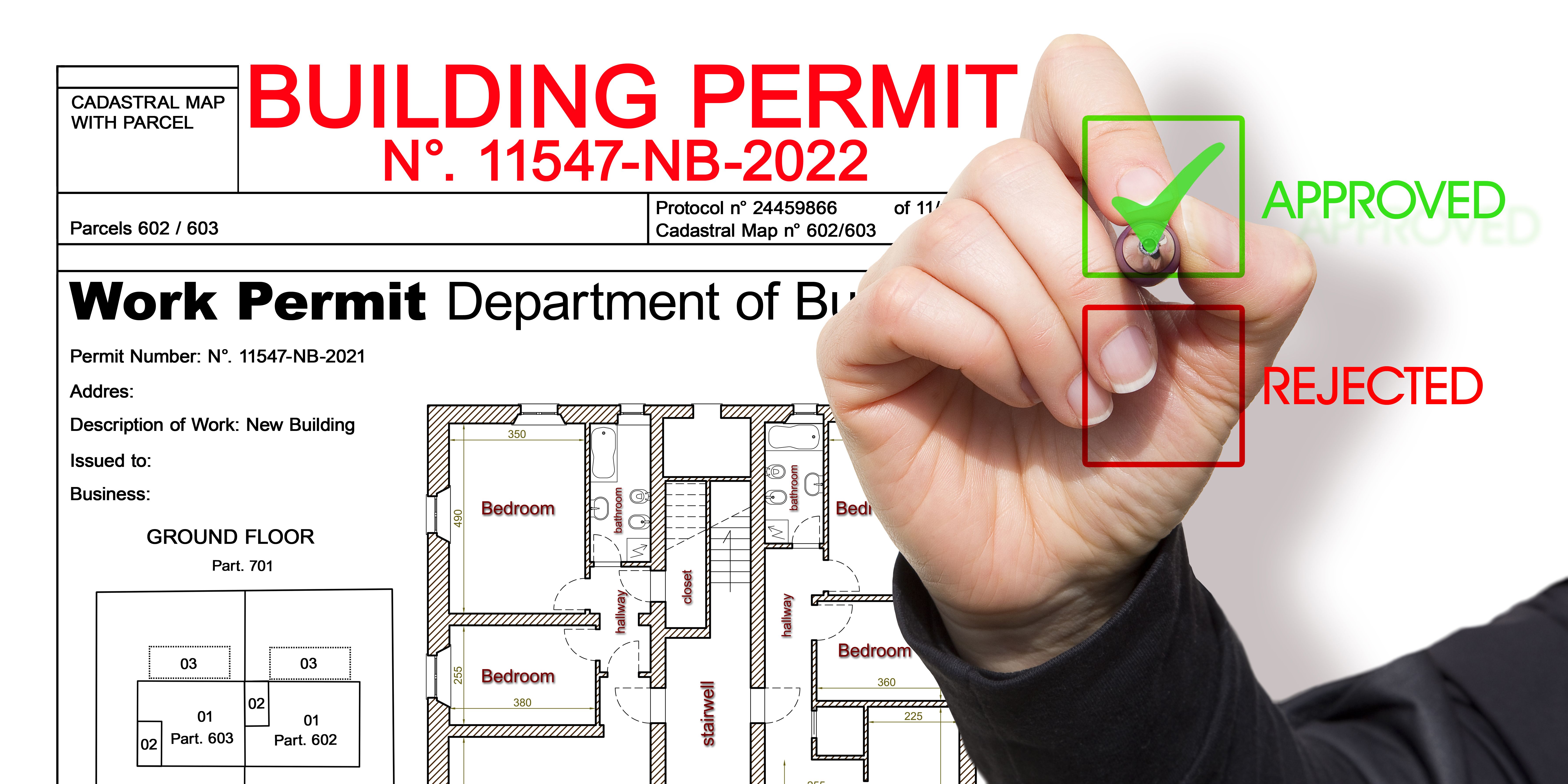
Building permits are crucial for any construction project. They guarantee that your project complies with local zoning laws, construction codes, and safety standards. In King County, permits are required for most construction activities, including new buildings, additions, and significant renovations.
To obtain a building permit, you must submit detailed plans and specifications of your project. The review process ensures that your plans meet the necessary codes and regulations. Ignoring permit requirements can lead to fines and project delays.
Steps to Obtain a Building Permit
- Prepare your project plans and specifications.
- Submit your application to the King County Department of Permitting and Environmental Review.
- Pay the necessary fees and await the review process.
- Receive approval and begin construction.

Zoning Regulations
Zoning laws dictate how land can be used in different areas of King County. They influence building height, density, and the types of structures permitted. Understanding these regulations is crucial, as they affect not only your property but also the surrounding community.
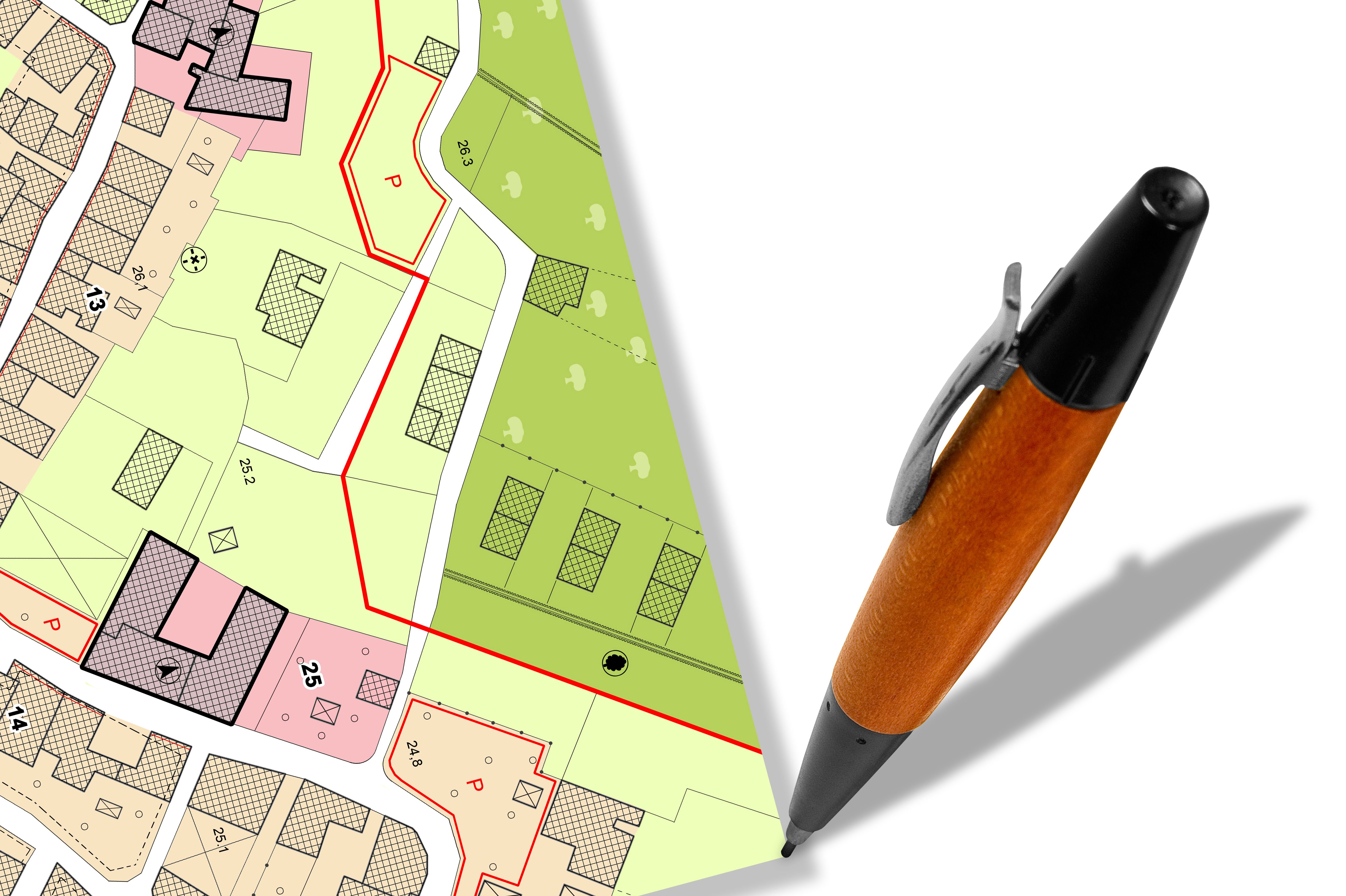
Before starting a project, it’s wise to consult the county’s zoning maps. These maps provide detailed information about land use classifications and any specific restrictions that might apply to your property.
Common Zoning Classifications
- Residential: Includes single-family homes, apartments, and townhouses.
- Commercial: For businesses, retail stores, and office spaces.
- Industrial: Reserved for manufacturing and warehousing.
- Agricultural: Land used for farming and related activities.
Environmental Considerations
King County is known for its natural beauty, and as such, there are specific environmental regulations that must be followed. These include guidelines for protecting wetlands, managing stormwater runoff, and preserving native vegetation.
Before beginning construction, it’s essential to conduct an environmental review. This review assesses potential impacts on the environment and ensures compliance with local, state, and federal environmental laws.
Environmental Review Process
The review process typically involves assessing the project’s impact on air and water quality, wildlife habitats, and historical sites. Mitigation measures may be required to minimize any adverse effects.
By understanding and adhering to King County’s building regulations, homeowners can ensure a smooth construction process and contribute positively to the community's growth and sustainability.