
Understanding Commercial Construction Regulations in WA
Understanding commercial construction regulations in Washington State is essential for any business or contractor involved in the industry. These regulations ensure safety, compliance, and quality across all construction projects. Navigating these rules can be complex, but it's crucial for successful project completion.

Overview of Washington State Construction Regulations
Washington State has a comprehensive set of regulations governing commercial construction. These rules are designed to protect public safety, ensure environmental protection, and maintain building standards. The Washington State Department of Labor and Industries (L&I) plays a key role in enforcing these regulations, alongside local building departments.
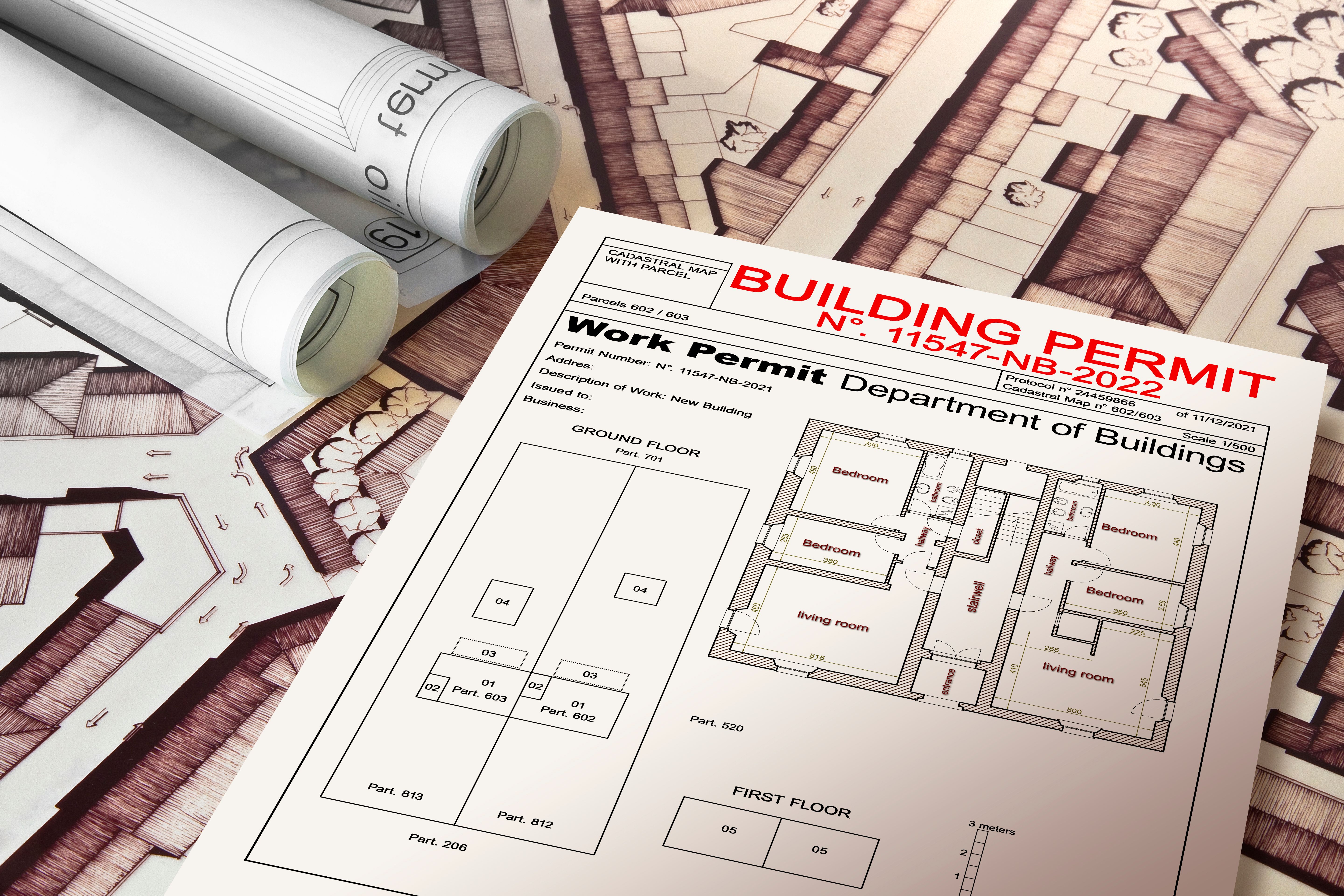
One primary aspect of these regulations is the requirement for proper permits and inspections. Before any construction begins, obtaining the necessary permits is mandatory. This process involves submitting detailed plans and ensuring they meet all state and local codes.
Key Regulations and Compliance Requirements
Several key regulations affect commercial construction in Washington. These include building codes, zoning laws, and environmental regulations. The state adheres to the International Building Code (IBC), which sets standards for structural strength, fire safety, and energy efficiency. Compliance with these codes is non-negotiable and is verified through regular inspections.
Zoning laws determine the types of structures that can be built in specific areas. Understanding these laws is crucial for ensuring that your project is feasible and legally compliant. Additionally, environmental regulations play a significant role, particularly for projects near sensitive areas like wetlands or rivers.
Steps to Ensure Compliance
Ensuring compliance with commercial construction regulations involves several steps. Here's a brief overview:
- Research and Planning: Before starting any project, thoroughly research the specific regulations that apply to your location and project type.
- Permit Acquisition: Apply for and secure all necessary permits well in advance of the project's start date.
- Regular Inspections: Schedule and pass all required inspections to ensure ongoing compliance.
- Documentation: Keep detailed records of all permits, inspections, and communications with regulatory bodies.
Common Challenges and Solutions
While navigating these regulations can be challenging, understanding common obstacles can help in preparation. One frequent issue is the complexity of building codes, which can require professional interpretation. Hiring experienced architects and engineers can mitigate this challenge.
Another common challenge is the dynamic nature of regulations, which may change over time. Staying informed through industry publications and regulatory updates is essential. Engaging with local authorities and industry experts can also provide valuable insights.

Benefits of Compliance
While compliance with commercial construction regulations can be demanding, the benefits are substantial. Adhering to these rules ensures the safety and durability of the construction, protects the environment, and enhances the community's trust in your project. Additionally, compliance minimizes the risk of legal issues and project delays.
Ultimately, understanding and following Washington State's construction regulations is a critical component of any successful commercial construction project. By prioritizing compliance, businesses can achieve their construction goals efficiently and responsibly.