
Understanding King County's Construction Regulations: A Builder’s Guide
Introduction to King County Construction Regulations
For builders and developers, understanding King County's construction regulations is crucial. These rules are designed to ensure safety, quality, and environmental responsibility. Navigating these guidelines can be complex, but with the right knowledge, you can efficiently manage your projects.

Permit Requirements
Securing the proper permits is one of the first steps in any construction project. In King County, permits are required for most construction activities, including new buildings, remodels, and demolitions. It's essential to check the specific requirements for your project type to avoid any legal complications.
Types of Permits
The main types of permits include:
- Building Permits: Required for new structures and significant alterations.
- Mechanical Permits: Necessary for installing equipment like HVAC systems.
- Plumbing Permits: Needed for plumbing installations or changes.
Zoning and Land Use
Zoning regulations determine how land can be used in different areas of King County. These rules impact the design and scope of your project. Understanding zoning classifications and restrictions is crucial to ensure compliance and avoid costly redesigns.
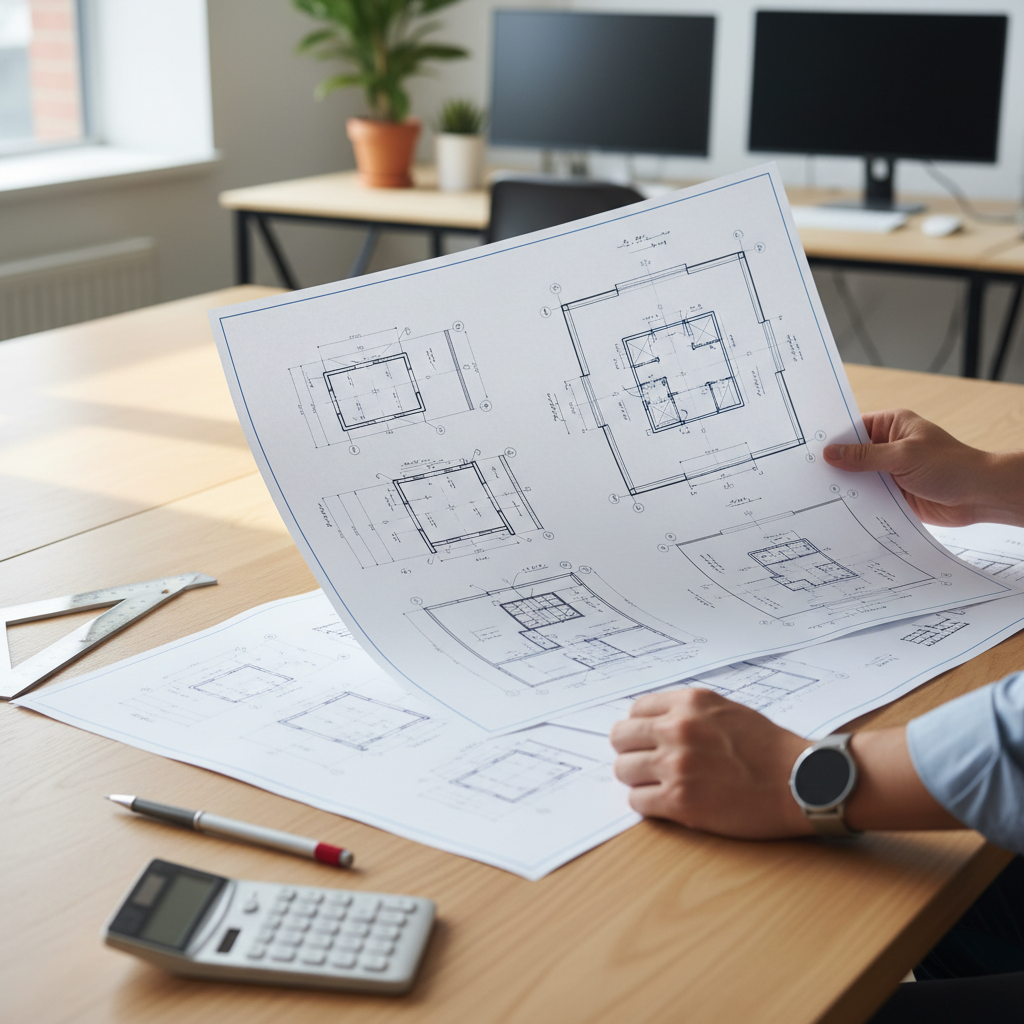
Understanding Zoning Codes
King County's zoning codes designate areas for residential, commercial, industrial, and mixed-use developments. Reviewing these codes will help you plan your project according to the intended land use. It's advisable to consult with a local planner or zoning expert if you're unsure about any regulations.
Environmental Considerations
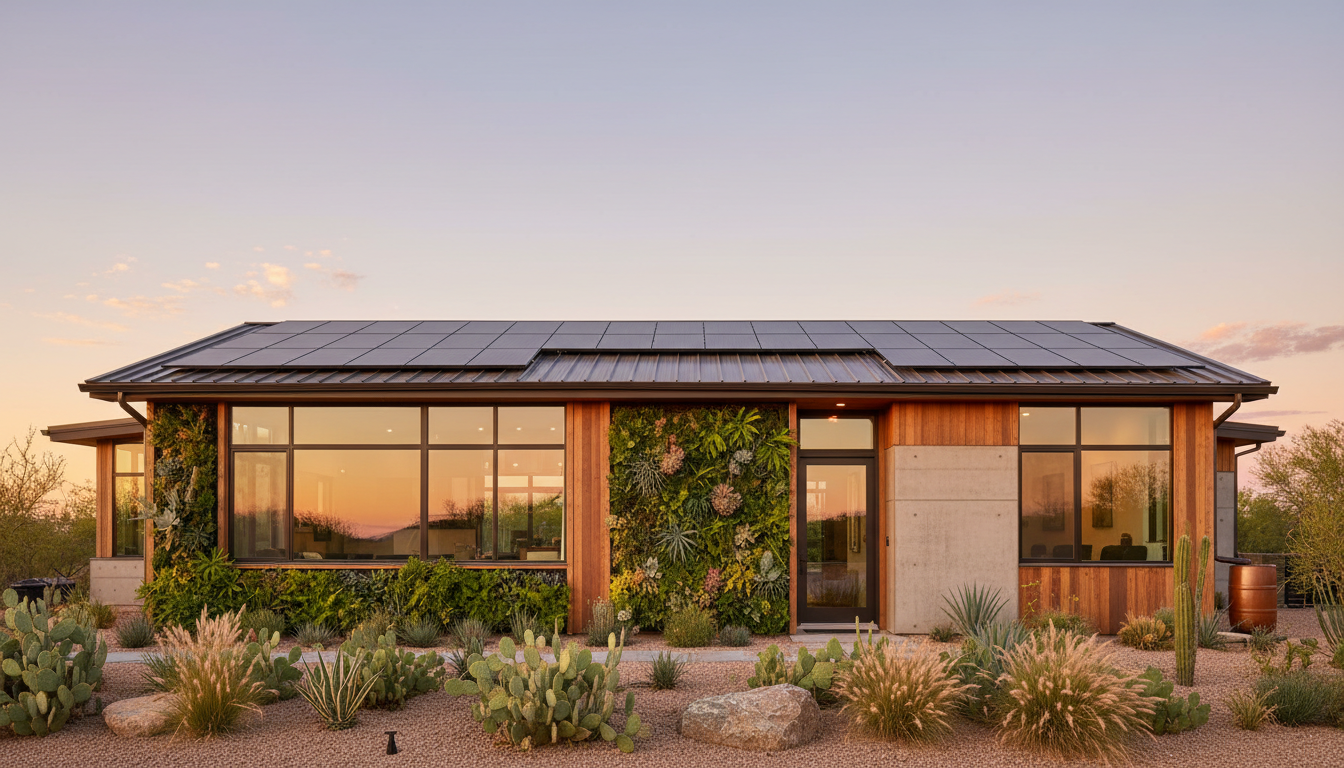
Environmental sustainability is a key focus in King County. Builders are required to adhere to regulations that protect natural resources, including water, air quality, and wildlife habitats. Incorporating eco-friendly practices not only benefits the environment but can also enhance your project's marketability.
Green Building Initiatives
The county encourages green building through initiatives like LEED certification and energy efficiency incentives. By integrating sustainable materials and technologies, builders can reduce environmental impact and potentially lower costs in the long term.
Inspections and Compliance
Once construction begins, regular inspections ensure compliance with building codes and safety standards. These inspections are conducted at various stages, such as foundation, framing, and final completion. Staying informed about inspection schedules and requirements is vital for a smooth process.
Builders should maintain thorough documentation and be prepared for each inspection to avoid delays. Any identified issues must be addressed promptly to maintain project timelines.
Conclusion
Understanding and adhering to King County's construction regulations is essential for any successful building project. By familiarizing yourself with permits, zoning, environmental considerations, and inspection protocols, you can ensure compliance and efficiency. Remember, staying informed and proactive will help you navigate these regulations effectively.