
Understanding Local Regulations for Construction Projects in King County
Introduction to King County Construction Regulations
Undertaking a construction project in King County requires a comprehensive understanding of local regulations. These rules are designed to ensure safety, environmental protection, and community well-being. Whether you're a developer, contractor, or homeowner, being informed about these regulations is crucial.
Permits and Approvals
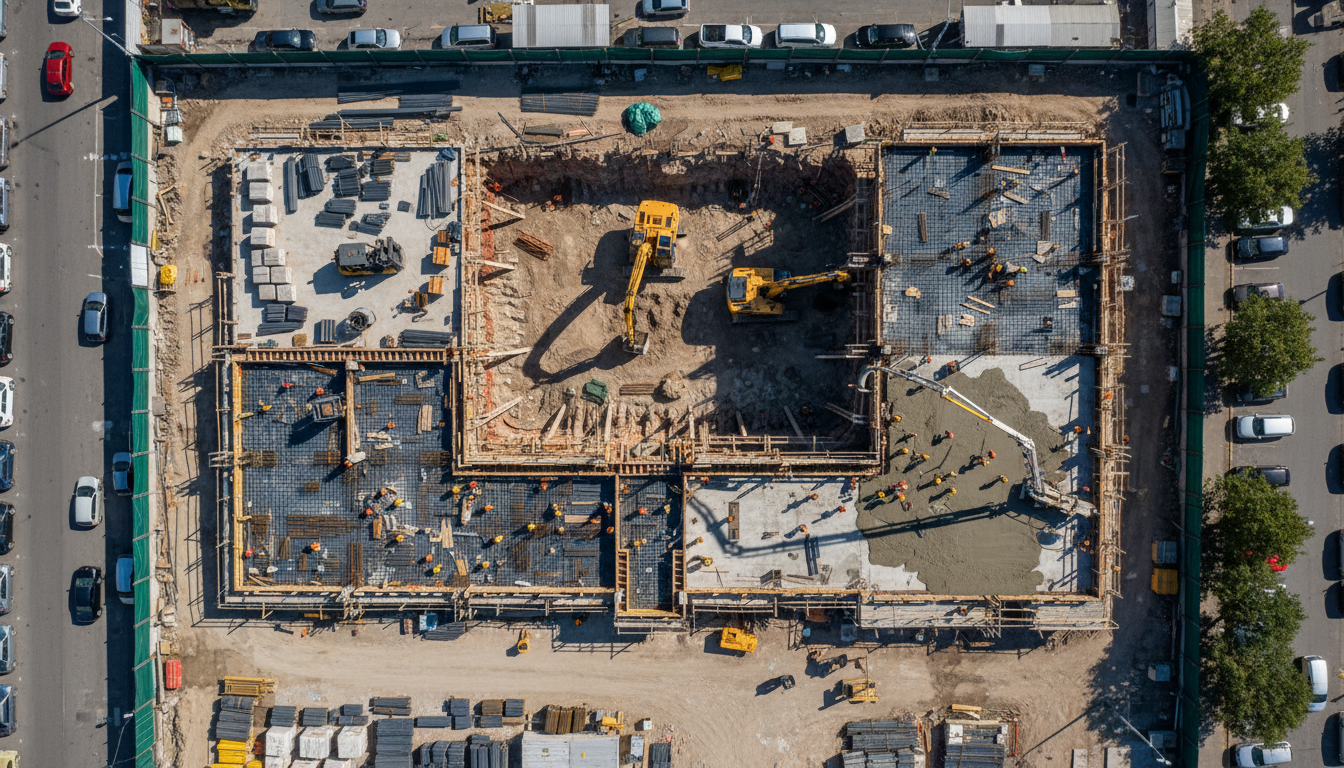
The first step in any construction project is obtaining the necessary permits. King County mandates permits for various activities including building, plumbing, and electrical work. It's essential to apply for these permits well in advance to avoid any delays in your project timeline. The permitting process can be complex, often requiring detailed plans and compliance with zoning laws.
Moreover, securing approvals from different agencies might be necessary depending on the nature of your project. For instance, projects near water bodies may require additional environmental assessments. Consulting with a local expert can help navigate these requirements efficiently.

Zoning and Land Use Regulations
Zoning laws in King County dictate how land can be used and what types of structures can be built. Understanding these laws is vital for ensuring your project complies with local standards. Zoning regulations cover various aspects such as building height, density, and setback requirements.
Before initiating your project, review the zoning map and consult with the King County Department of Local Services to verify that your intended construction aligns with the designated zoning category. This step prevents potential legal challenges and project interruptions.
Environmental Considerations
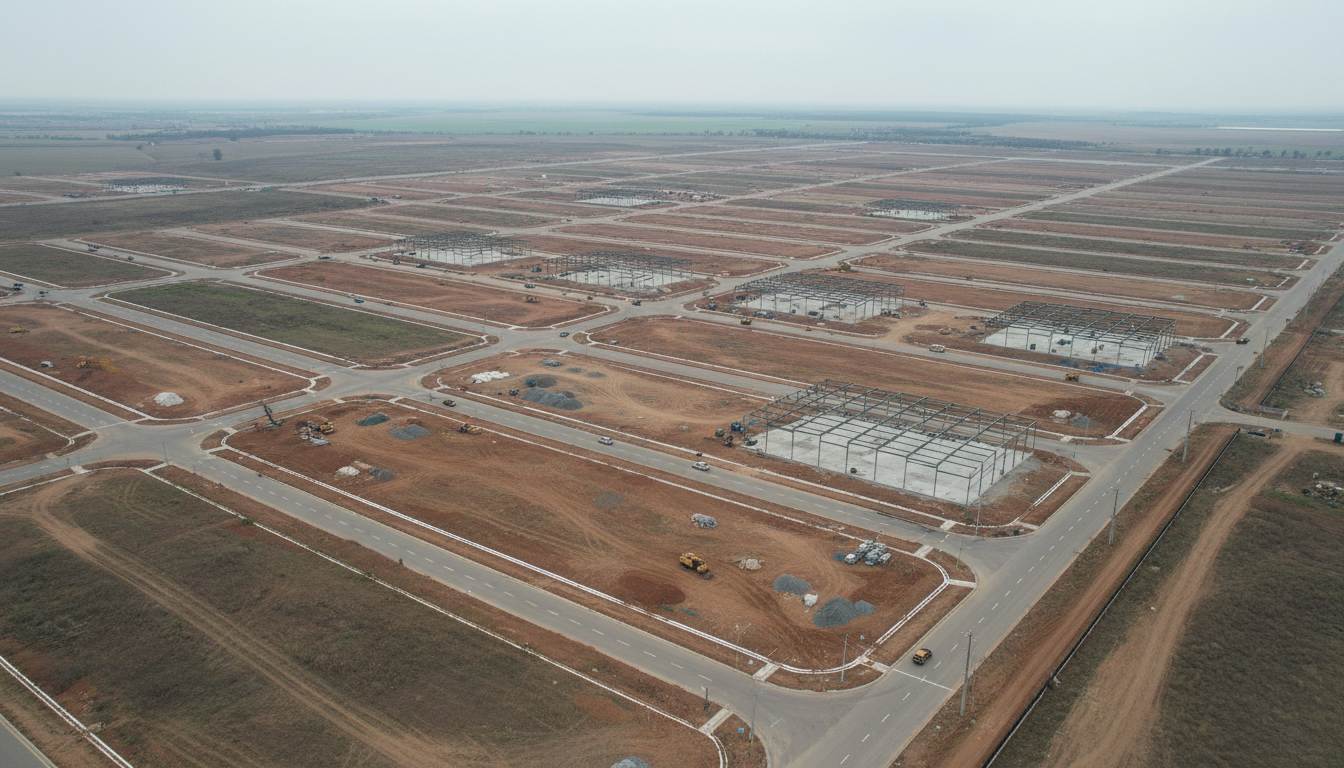
King County places a strong emphasis on environmental protection. Construction projects must comply with state and local environmental regulations to minimize ecological impact. This includes managing stormwater runoff, protecting local wildlife, and preserving natural habitats.
Implementing sustainable building practices is not only required by law but also beneficial for long-term environmental stewardship. Consider using eco-friendly materials and energy-efficient designs to meet these standards.
Community Engagement and Impact
Engaging with the local community is an integral part of the construction process. King County encourages project developers to work closely with residents to address concerns and incorporate community feedback. Hosting public meetings and providing regular updates can foster positive relationships and mitigate potential conflicts.

Safety and Compliance
Ensuring safety on construction sites is a top priority. Compliance with the Occupational Safety and Health Administration (OSHA) standards and local regulations is mandatory. This includes providing adequate training for workers, ensuring proper use of equipment, and maintaining a safe work environment.
Regular inspections by King County officials help ensure adherence to safety standards. Keeping detailed records of these inspections and any corrective actions taken is essential for compliance.
Conclusion
Understanding and adhering to local regulations is fundamental for the success of any construction project in King County. By securing the appropriate permits, complying with zoning laws, prioritizing environmental protection, engaging with the community, and maintaining safety standards, developers can ensure a smooth and efficient construction process.
For those new to the area or unfamiliar with local regulations, consulting with legal experts and local authorities can provide valuable guidance and support throughout the project lifecycle.